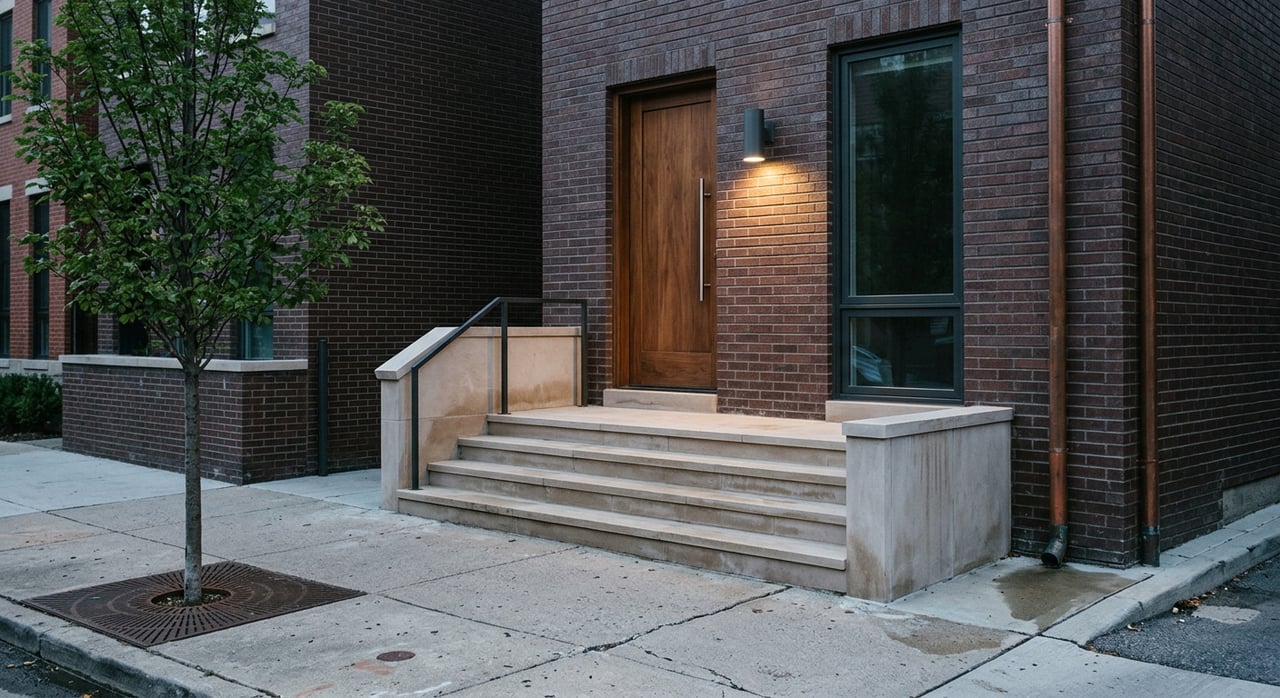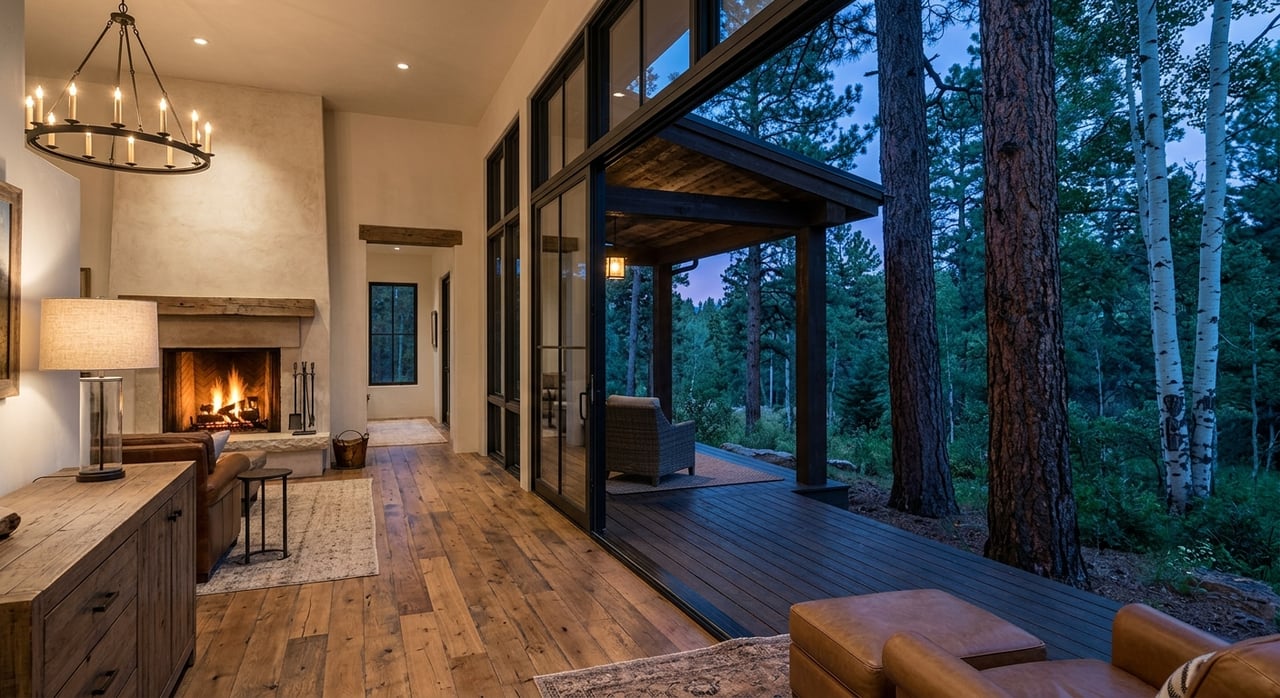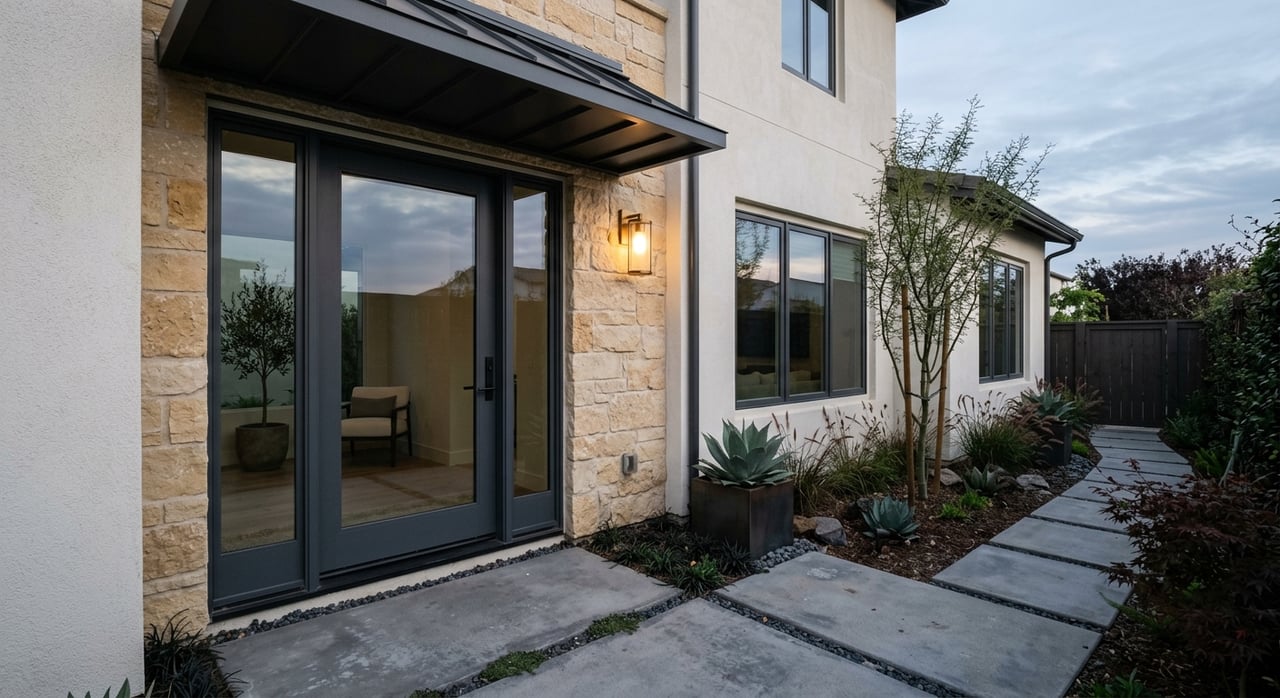
Buying a brand-new home in Lone Tree can feel like the best of both worlds: fresh finishes, lower maintenance, and the chance to personalize your space before you move in. But new construction is not always as simple as picking a floor plan and signing on the dotted line. If you want fewer surprises and more confidence, it helps to understand how Lone Tree’s newer communities, contracts, fees, and warranties really work. Let’s dive in.
Lone Tree new construction starts with location
If you are shopping for new construction in Lone Tree, most of what you will see is tied to planned development areas, especially RidgeGate. As of July 2026, much of the city’s active for-sale new construction is concentrated there, including projects such as Hawkview at Willow Creek and Lyric Condominiums & Townhomes.
That matters because buying in a planned district often means you are not just choosing a home. You are also buying into a broader community structure that may include HOA oversight, shared amenities, development timelines, and metro-district financing.
Why RidgeGate shapes the experience
RidgeGate is a 3,500-acre planned development south of Lincoln Avenue and on both sides of I-25. According to the City of Lone Tree, RidgeGate is planned to include residential villages, commercial districts, parks, schools, and public facilities.
RidgeGate West is close to fully developed, while RidgeGate East still has larger undeveloped areas. For you as a buyer, that can affect everything from nearby construction activity to how the area may evolve over time.
Transit and lifestyle are part of the appeal
RidgeGate West includes two RTD light-rail stations, along with amenities such as the arts center, recreation center, library, and open space. That helps explain why many newer homes in Lone Tree are marketed around convenience, lock-and-leave living, and access to everyday amenities.
If that lifestyle fits your goals, new construction here may be a strong match. Still, it is smart to look beyond the model home and ask how the surrounding area is built out today and what is still planned.
HOA and metro district costs matter
One of the biggest mistakes buyers make with new construction is focusing only on the base price and monthly mortgage estimate. In Lone Tree, community-level costs can play a meaningful role in your long-term budget.
What a metro district is
The City of Lone Tree says metro districts are special districts created under Colorado law and funded through property taxes. They are used to finance infrastructure such as roads, sewer systems, parks, irrigation, and transportation, and they operate independently from the city.
The city lists several metro districts in Lone Tree, including Hawkview, Heritage Hills, Lincoln Station, Omni Park, Park Meadows, and Rampart Range. If the home you are considering sits within one of these districts, that may affect your annual property tax bill.
What to review before you commit
Before you move forward, ask for clear documentation on:
- HOA dues
- Metro district status
- Estimated property taxes
- What amenities or infrastructure those costs support
- Any design, exterior, or use restrictions tied to the community
This is especially important in newer townhome and condo developments, where shared governance and common-area responsibilities can have a direct impact on ownership costs and decision-making.
Your contract controls more than you think
In Colorado, a home purchase offer must be in writing. The Colorado Division of Real Estate describes the sales contract as a legally binding document that sets out the price, closing date, possession date, earnest money, and contingency clauses.
That is important in any transaction, but it is even more important with new construction. Builder contracts, timelines, included features, and upgrade selections often have more moving parts than a resale purchase.
Key contract items to watch
Common contingencies in Colorado can include:
- Financing
- Appraisal
- Inspection
- Survey
- Title review
- HOA document review
Colorado also emphasizes that time is of the essence. That means deadlines matter, and missing one can affect your rights under the contract.
Treat upgrades like contract terms
Design-center decisions may feel fun and informal, but they should be treated seriously. Finish selections, upgrade packages, allowances, and selection deadlines all connect back to the contract and what the builder is obligated to deliver.
In practical terms, you should ask for clarity on what is included in the base price, what costs extra, and what is excluded entirely. Features that look standard in a model home may not automatically be part of your purchase unless the contract says they are.
Builder deposits deserve close attention
For homes that are not yet built, builders may ask for an upfront builder deposit, often referred to as earnest money. Before you commit those funds, make sure you understand exactly when the deposit is refundable and when it is not.
This is one of the most important questions in a new construction purchase, especially if your financing, appraisal, or inspection does not go as planned.
Ask these deposit questions early
Before signing, ask:
- How much is the builder deposit?
- Under what conditions is it refundable?
- What happens if financing falls through?
- What happens if an inspection raises serious concerns?
- Are there separate deposits tied to upgrades or design selections?
Getting those answers up front can help you compare builders more clearly and avoid confusion later.
You can compare lenders and closing providers
Many builders have an affiliated lender, and some may offer incentives if you use that lender. Even so, you are not required to use the builder’s preferred financing option.
You can shop lenders and compare closing-service providers. You may also choose independent settlement professionals or attorneys for more objective guidance, which can be especially helpful in a builder-driven transaction.
Why independent comparisons help
Builder-preferred vendors may offer convenience, but convenience is not the same thing as the best fit. Comparing providers can help you evaluate costs, loan terms, communication style, and how the closing process will be handled.
If you are buying new construction in Lone Tree, it is worth asking whether you can use your own lender, inspector, settlement provider, and real estate representative. In many cases, having your own team helps you keep the transaction centered on your interests.
Inspections still matter on a brand-new home
A new home may be newly built, but that does not mean it is free from defects or incomplete work. Colorado officials strongly recommend inspections, and buyers should not assume a municipal inspection or builder walkthrough replaces an independent review.
What Colorado buyers should consider
The Colorado Division of Real Estate recommends using a qualified home inspector. Depending on the property, additional inspections such as a sewer scope or structural engineering review may also be worth considering.
When possible, buyers should make the contract contingent on a satisfactory inspection and financing. If a contingent inspection reveals serious flaws, buyers may be able to cancel without penalty.
New construction inspection timing
With new construction, you may want to ask whether inspections can happen at more than one stage, depending on the build status and builder process. At a minimum, you should understand when your inspection rights apply and how concerns will be documented and addressed.
This is particularly important with attached housing, where common elements and shared systems may affect your ownership experience.
Understand the builder warranty before closing
Most newly built homes come with a builder warranty, but not all warranties are the same. The Federal Trade Commission notes that a builder warranty is different from a home warranty or service contract.
In general, builder warranties cover permanent parts of the home. Typical coverage often includes one year for workmanship and materials on many components, two years for HVAC, plumbing, and electrical systems, and up to 10 years for major structural defects.
Questions to ask about warranty coverage
Before closing, ask for the warranty terms in writing and review:
- What is covered
- What is excluded
- When each coverage period starts and ends
- How warranty claims must be submitted
- Whether disputes require mediation or arbitration
These details matter because the warranty may shape what happens if issues show up after move-in.
Condo and townhome buyers should know the 2025 law changes
If you are considering a condo or townhome in Lone Tree, Colorado’s construction-defects law deserves extra attention. In 2025, House Bill 25-1272 changed how certain defect-related processes can work for common-interest communities.
According to the Colorado Division of Real Estate, the law created an optional program where a homebuilder can offer a warranty and neutral third-party inspection in exchange for added protections. It also changed HOA rules so an executive board now needs 65 percent owner approval to bring a defect claim.
Why this matters in attached housing
For condo and townhome buyers, this affects how defect claims may be handled at the community level. DORA also says any money recovered must first be used to repair the defect, and existing notice and voting procedures still apply under Colorado common-interest-community rules.
You do not need to become a legal expert, but you should ask whether the builder is participating in the optional program and how the HOA documents address defect issues.
Representation can make the process smoother
Colorado requires brokerage disclosures in writing at the earliest reasonable opportunity, before confidential information is discussed. The state recognizes both single-agency and transaction-brokerage relationships, and the buyer-side agreement outlines duties, compensation, and deadlines.
Those duties include presenting offers in a timely manner, disclosing known adverse material facts, accounting for money, and keeping you informed.
Why local new-construction experience helps
The state recommends interviewing more than one broker and choosing someone with experience in the area and property type you want. In Lone Tree, that can be especially valuable because so much new inventory is tied to planned developments, attached housing, HOA review, and possible metro-district questions.
A knowledgeable advisor can help you compare builders, flag contract details, keep track of deadlines, and ask the right local questions before you are too far down the path.
A smart checklist before buying new construction
Before you sign on a new construction home in Lone Tree, make sure you can answer these questions clearly:
- What exactly is included in the base price?
- Which finishes, features, or appliances are upgrades?
- What deadlines apply to financing, inspections, and design selections?
- Is the builder deposit refundable, and under what conditions?
- Is the property in an HOA or metro district?
- How will HOA dues and metro-district taxes affect your total monthly and annual cost?
- Can you use your own agent, lender, inspector, and settlement provider?
- What builder warranty applies, and does it require mediation or arbitration?
- If you are buying a condo or townhome, how do defect procedures work under current Colorado law?
Buying new construction can be a great fit if you want a more modern home and a lower-maintenance lifestyle in Lone Tree. The key is making sure the fine print, community structure, and long-term costs work for you just as well as the floor plan does.
If you are weighing new construction in Lone Tree and want a local, concierge-level perspective on builders, communities, and contract details, connect with Lara Johnson-Lara Property Group for personalized guidance.
FAQs
What should you ask before buying new construction in Lone Tree?
- Ask what is included in the base price, what counts as an upgrade, whether the home is in an HOA or metro district, how deposits work, what warranty applies, and whether you can use your own lender, inspector, and agent.
What is a metro district in Lone Tree new construction communities?
- A metro district is a special district under Colorado law that is funded through property taxes to help pay for infrastructure like roads, sewer systems, parks, irrigation, and transportation.
Do you need an inspection on a brand-new home in Lone Tree?
- Yes. Colorado officials strongly recommend using a qualified home inspector, and some buyers may also consider added inspections such as a sewer scope or structural engineering review.
Can you use your own lender for a new construction home in Lone Tree?
- Yes. Builders may have an affiliated lender, but buyers can compare lenders and other closing-service providers rather than automatically using the builder’s preferred options.
What should condo and townhome buyers know about Colorado defect rules?
- Buyers should know that Colorado changed certain construction-defect procedures in 2025, including an optional builder program with a warranty and neutral third-party inspection, plus a 65 percent owner-approval requirement for an HOA board to bring a defect claim.