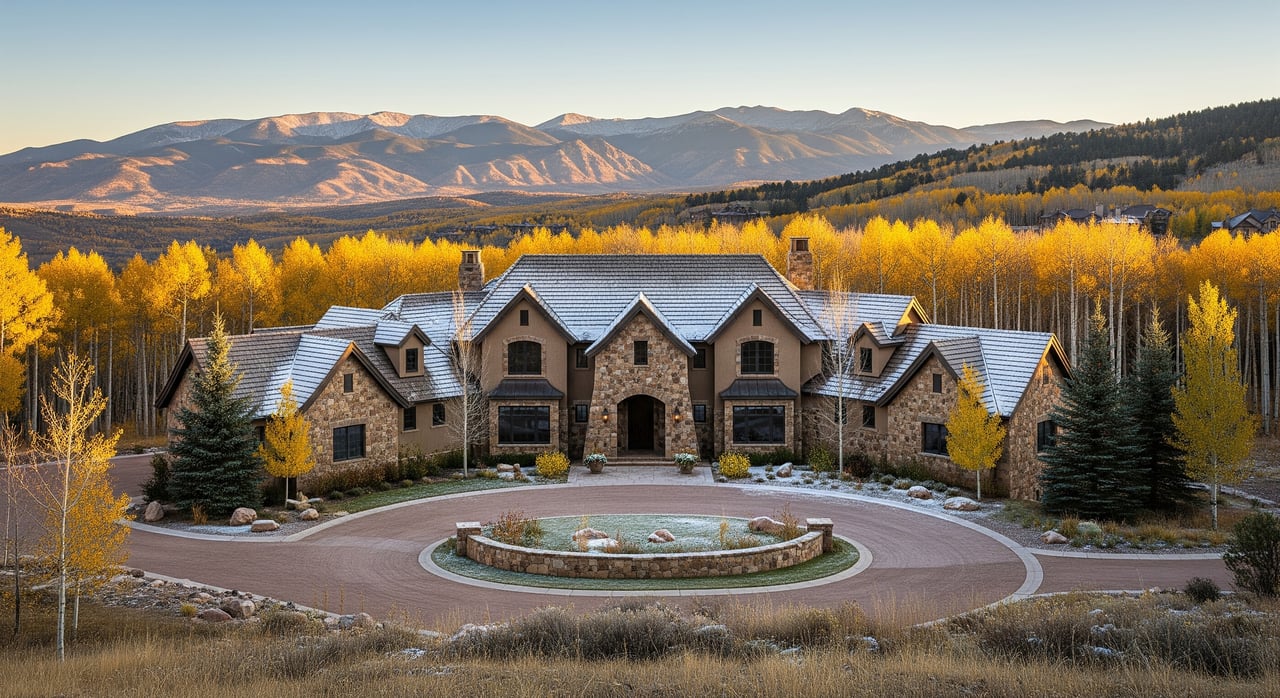
Wondering why homes in Castle Pines seem to move faster in April than in December, or when you might have the best shot at negotiating a deal? You are not imagining it. In 80108, the seasons shape inventory, days on market, buyer activity, and even how showings feel. In this guide, you will learn how each season affects supply, speed, and strategy so you can time your next move with confidence. Let’s dive in.
Why seasons matter in Castle Pines
Castle Pines sits just south of Denver, with a housing mix dominated by single-family homes in planned communities, including gated neighborhoods with HOAs. Many buyers are move-up families and commuters, so the school calendar and commute timing matter. Those factors make spring and early summer especially active.
Weather plays a real role. Winters bring snow and cold, which affects curb appeal, showing access, and exterior inspections. Holidays can slow traffic too. HOAs often guide signage and exterior standards, so seasonal presentation and maintenance can influence first impressions.
Spring market: more listings, faster pace
Spring is typically the most active season for new listings and buyer traffic. You will see more variety and better selection from March through June. With more showings and stronger demand, days on market often shorten and multiple-offer scenarios become more common when inventory is tight.
- Expect more choices, including new construction reaching peak availability in late spring to early summer.
- Be ready for faster timelines. Properly prepared homes can move quickly when priced well.
- Sellers should price competitively and avoid overpricing, even in a fast market. Buyers should get pre-approved and be prepared to act decisively.
Summer: selection stays high
Summer often carries spring momentum, though some sellers exit the market after successful spring sales. Families who want to move between school years are active, and closing windows can be tight.
- Inventory can remain elevated, but pace varies by neighborhood and price point.
- Buyers may face competition on standout homes, especially those move-in ready.
- Sellers should keep curb appeal on point and be responsive to inspection items to stay ahead of competing listings.
Fall: cooling pace, focused buyers
As late summer turns to fall, new listings taper off. Buyer traffic tends to become more selective and schedule-driven, and days on market can normalize.
- You may see fewer bidding wars and more room for negotiation.
- Sellers can still attract serious buyers with a sharp price and polished presentation.
- Buyers who missed spring may be ready to write when the right home appears.
Winter: fewer listings, motivated buyers
Winter brings fewer new listings and lower active inventory. Snow and holidays reduce casual showings, but the buyers who are out tend to be serious.
- Expect longer days on market on average, yet well-priced homes can still sell quickly.
- Buyers often seek concessions or flexible terms, especially if a home has been sitting.
- Sellers should focus on warmth and access. Clear walkways, comfortable interior temperatures, and bright lighting matter.
What this means for sellers
Choose your listing window
- Spring listing, March to June: Pros include higher buyer traffic, potentially faster sales and stronger pricing. Cons include more competition and faster prep timelines.
- Winter listing, November to February: Pros include less competition and motivated buyers who need to move. Cons include fewer showings and tougher exterior presentation.
- If you want to avoid disrupting the school year, plan to list in late winter or early spring so you can close and move in June through August.
Set a smart price
- Spring: Price competitively based on recent comparable sales that may include multiple-offer outcomes. Overpricing risks being ignored in a crowded market.
- Winter: Consider a slightly more conservative list price or add incentives, such as a credit toward closing costs or flexible closing terms.
Prep checklist by season
- 6 to 8 weeks before listing: Knock out repairs, declutter, and complete light staging. Consider a pre-listing inspection if you want to minimize surprises.
- 2 to 3 weeks before listing: Schedule professional photos, deep clean, and plan for lawn care or snow removal.
- Winter specifics: Keep driveways and walkways clear for showings, set a comfortable thermostat, and use warm lighting to showcase interior spaces.
- Spring specifics: Lean into landscaping and curb appeal. Time exterior photos when trees and plants are budding.
Plan inspections and closings
- Exterior inspections can be limited in winter, especially for irrigation or grading. Disclose winter conditions and prepare for re-inspection when weather improves.
- Appraisals rely on recent comps. Seasonal timing can affect the comparable pool, so align pricing strategy with the most relevant sales.
- Standard closing timelines run about 30 to 45 days. Build in a buffer during peak months or around holidays.
HOA and showing logistics
- Confirm HOA rules, fees, and any upcoming assessments early. Some documents have mandated turnaround times.
- In gated communities, coordinate showing protocols in advance so access is smooth for buyers and inspectors.
What this means for buyers
Time your search
- Spring and summer: Best selection, but fastest pace. You need clear criteria and swift decision-making.
- Winter: Fewer options, but more negotiating room. If the right home appears, you can often structure a buyer-friendly offer.
Offer strategies by season
- Spring: Be pre-approved and ready with strong initial terms. Consider reasonable flexibility on timelines where appropriate.
- Winter: Keep offers clean and ask for concessions as needed, but avoid waiving key protections. Cold weather can hide defects.
Inspections in cold weather
- Snow and ice can limit visibility of roofs, landscaping, and drainage. Plan for re-inspection or contractor checks as conditions allow.
- Do not skip inspections lightly. Winter can reveal issues like freezing risks or insulation concerns.
Moving and financing logistics
- Peak seasons can stretch lender and mover capacity. Book early in spring and summer.
- Winter can offer better availability, though weather delays are possible. Add extra time to your move plan.
How to read the market
A few metrics help you understand conditions in 80108. Review them month by month and year over year.
- Active and new listings by month
- Median days on market and sale-to-list price ratio
- Median list and sale prices
- Number of pending and closed sales
- Months supply of inventory
Use months supply as a quick guide to market balance:
- Under about 3 months is a seller’s market
- Around 3 to 6 months is balanced
- Over 6 months is a buyer’s market
Local MLS data, Douglas County records, and professional market reports can provide these figures. The key is to compare seasons across the past 12 to 36 months for a true picture.
Two quick real-world examples
- Winter listing example: A home listed in January had fewer showings, but two relocation buyers with tight timelines toured right away. It sold without a bidding war after a modest price concession and a flexible 45-day closing to meet the buyer’s schedule.
- Spring listing example: A comparable home listed in April drew multiple offers within a week and sold at or above list price. The seller moved faster but had to address inspection items quickly to stay ahead of competing listings.
Ready to map your goals to the right season and strategy in Castle Pines? You deserve clear guidance, polished marketing, and steady negotiation from list to close. If you want a personalized plan for timing, pricing, and prep, connect with Lara Johnson-Lara Property Group. We will help you choose the right window, position your home or offer, and move with confidence.
FAQs
What months are best to sell a home in Castle Pines?
- Spring through early summer often brings more listings and buyer traffic, which can mean faster sales and stronger pricing when homes are prepared and priced well.
Is winter a bad time to buy in Castle Pines?
- Not necessarily. Winter has fewer listings, but buyers often have more negotiating room and can secure favorable terms when the right property appears.
How do HOAs affect selling in Castle Pines by season?
- HOAs can influence signage, exterior standards, and document timelines, so plan early for disclosures and keep seasonal curb appeal and access consistent with community rules.
How long does a typical closing take in peak season in 80108?
- Plan for about 30 to 45 days, and build in buffer time around holidays or during high-volume months to keep your move on track.
What data should I watch to time my move in Castle Pines?
- Track active and new listings, median days on market, sale-to-list price ratio, months supply, and the number of pending and closed sales over the past 12 to 36 months.