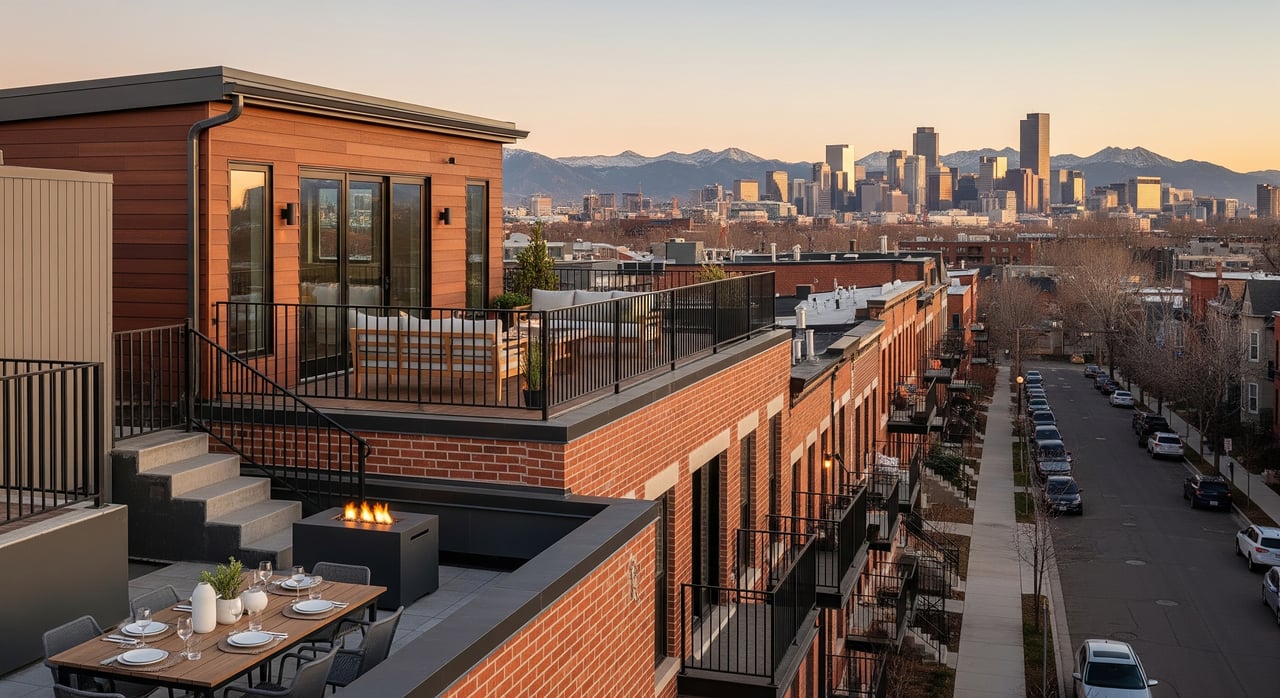
Thinking about living just across the river from downtown Denver? You might be weighing Highlands and LoHi, two connected neighborhoods with very different day-to-day rhythms. You want walk-to-dinner convenience, a fast commute, and easy access to parks, but you also want the right housing fit and a realistic feel for noise, parking, and costs. In this guide, you’ll learn what life looks like in each area, how they differ, and what buyers and renters should verify before making a move. Let’s dive in.
Where Highlands and LoHi sit
Highlands refers to a cluster of neighborhoods northwest of Denver’s central business district. LoHi, or Lower Highlands, is the portion closest to downtown and the South Platte River. You can walk or bike from LoHi to the Riverfront and Union Station area using the Highland Bridge and paths along the river.
Both areas sit a short drive, bike ride, or transit trip from downtown job centers. LoHi is the most direct hop to Union Station, while the broader Highlands area stretches farther west toward larger green spaces and quieter residential blocks.
Vibe and lifestyle at a glance
LoHi: Expect a denser, more urban feel with a strong dining and nightlife scene. You’ll see many newer condos and townhomes, plus low- to mid-rise buildings near main corridors. Evening energy is part of the appeal, especially if you like to stay close to restaurants and rooftops.
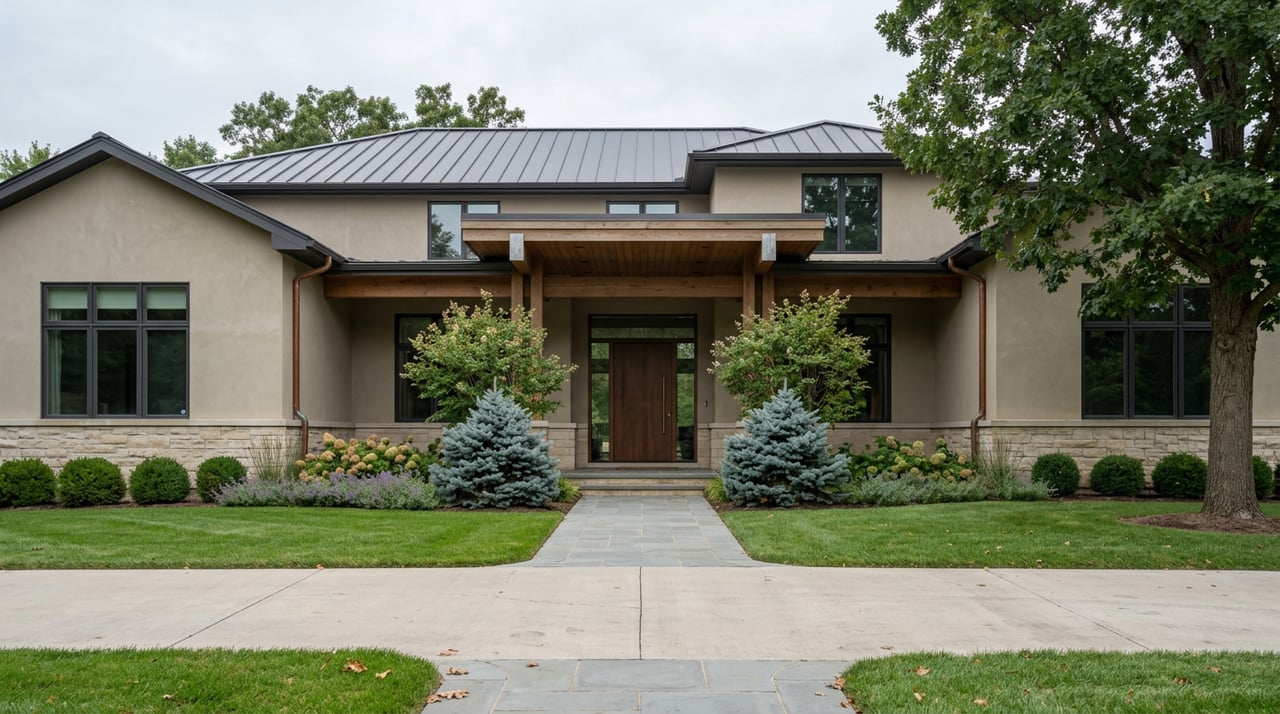
Highlands beyond LoHi: Many streets have a calmer residential pace, with a mix of historic single-family homes and modern infill. You’ll find tree-lined blocks, access to larger parks, and a more laid-back evening environment, depending on the street.
A day in LoHi
Morning often starts with a quick espresso or grab-and-go breakfast along a nearby corridor. If you work downtown, the commute can be a short walk or bike ride, or a quick bus trip. Midday errands are easy because many basics sit within a few blocks.
Evenings lean social. You might meet friends on a rooftop with skyline views, then walk to a nearby spot for dinner. If you prefer a quieter night, choosing a side street or a unit on a higher floor can help buffer the weekend bustle.
A weekend in Highlands
It’s common to start with a walk or run around Sloan’s Lake, then head to a neighborhood café for brunch. Afternoon plans may include errands along a nearby commercial strip or time at a pocket park. Dinner can be close to home, with plenty of elevated casual options nearby, or you can head downtown in minutes for a night out.
Walkability, transit, and bikes
Both LoHi and central Highlands offer strong walkability along main commercial corridors, where you’ll find coffee, casual dining, and neighborhood shops. Walk Score, Transit Score, and Bike Score are useful tools to check convenience for a specific address, since walkability can vary by block.
Transit options include local RTD bus routes that connect to downtown job centers. Many residents bike to work using protected lanes and multiuse trails. For airport trips, people often go through Union Station for train service to Denver International Airport or use surface routes to I-25 and I-70.
The Platte River Trail and a network of paths provide reliable routes for both recreation and commuting by bike.
Parks and outdoor time
Sloan’s Lake, adjacent to parts of Highlands, is a signature amenity. You can loop the water on a paved path, enjoy skyline views, or try paddle sports when conditions allow. Smaller pocket parks and the greenbelt along the Platte offer everyday options for dog walking and quick runs.
Farmers markets, community events, and occasional street festivals happen throughout the year. These vary by season and change over time, so check current listings when you plan your weekend.
Homes and buildings you’ll find
- Historic single-family homes. Late-19th and early-20th century Victorians and bungalows line many streets in Highlands. These properties deliver character and larger lots in select areas.
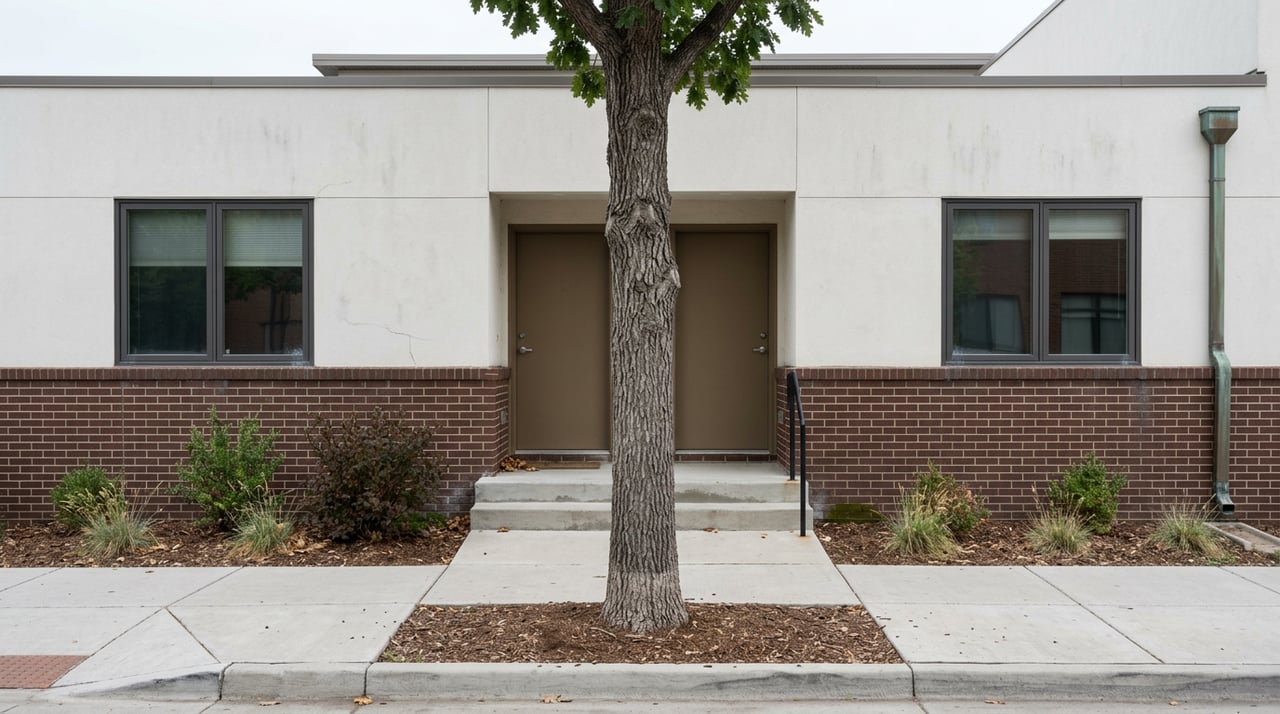
- Infill new construction. Demand over the last decade has brought a wave of modern townhomes and condos, especially near commercial corridors and transit.
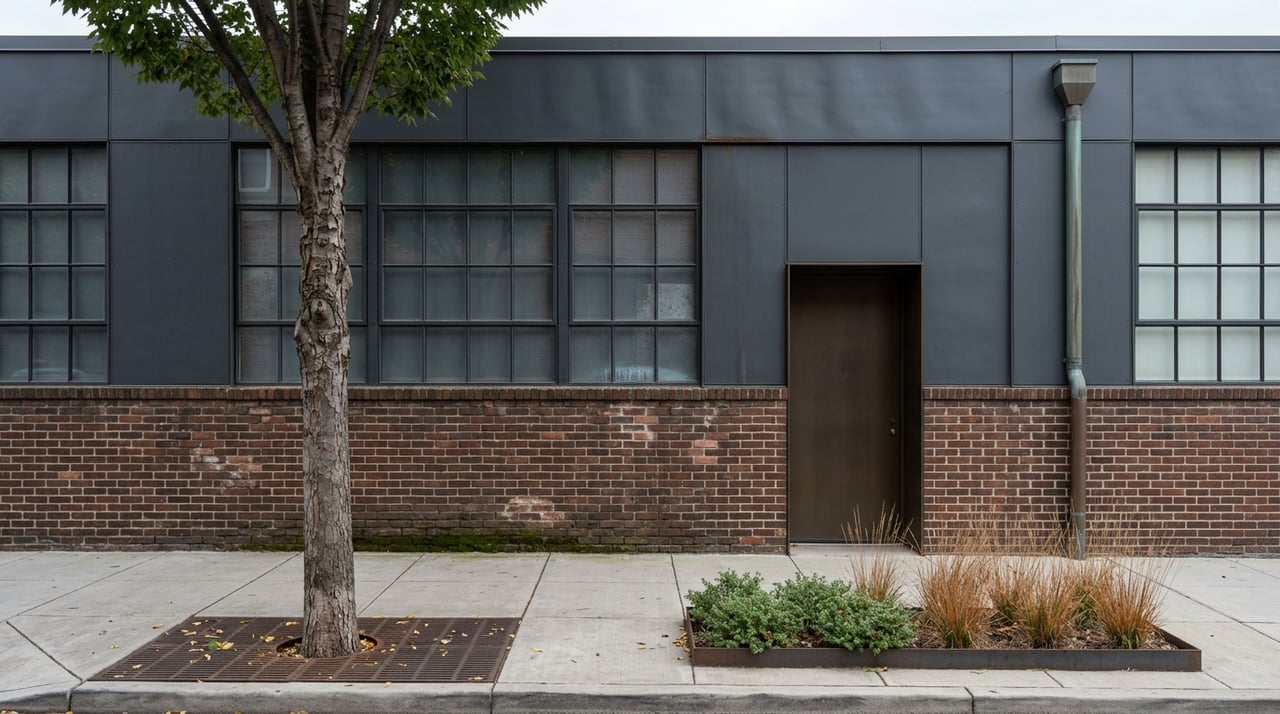
- Low- to mid-rise condos and adaptive reuse. LoHi features more multifamily options and adaptive reuse buildings, creating choices across different price points and sizes.
In LoHi, homeowners associations are common in condo and townhome communities, so it’s important to review HOA budgets, reserves, and rules. In parts of the broader Highlands area, historic preservation overlays or landmark designations may guide exterior changes, remodels, or demolitions, which can affect renovation timelines and costs.
Costs, competition, and trends
Highlands and particularly LoHi tend to command a premium over the broader Denver median, reflecting central location, dining and nightlife access, and proximity to downtown. LoHi often carries higher per-square-foot pricing for units close to view corridors and amenities. Older single-family homes in Highlands can also trade at premium levels due to lot scarcity and preserved character.
You’ll see ongoing renovation and small-lot infill across both areas, including tear-down and rebuild activity. That dynamic can add fresh supply and modern options but may also change the look and feel of some blocks over time.
Key differences: LoHi vs Highlands
- Lifestyle and noise. LoHi delivers a lively restaurant and rooftop scene with late-evening activity near main corridors. Highlands beyond LoHi offers more consistently quiet blocks, especially as you move west, with less nighttime foot traffic.
- Housing mix. LoHi skews toward condos, townhomes, and smaller-footprint homes. Highlands beyond LoHi has more historic single-family homes, often with yards and renovation potential, subject to local overlays.
- Commute and access. Both are central. LoHi is the shortest walk or bike ride to Union Station and downtown, while Highlands offers more immediate access to larger green space near Sloan’s Lake.
- Market positioning. LoHi’s amenity proximity can translate into higher per-square-foot pricing. Larger single-family homes in Highlands can also be expensive given limited inventory and historic appeal.
Buyer checklist for this area
Use this quick list to make a confident decision on a specific address:
- Verify walk, transit, and bike convenience for the exact block using recognized scoring tools.
- Confirm zoning, any historic overlays, and permit requirements with the City and County of Denver before planning renovations or ADUs.
- If you are near the Platte River or low-lying areas, order a floodplain determination and review local drainage maps.
- For condos or townhomes, review HOA documents, dues, reserve studies, and any special assessments.
- Walk the block at different times to assess street noise, evening crowds, and parking turnover.
- Check recent comparable sales and inventory trends with your agent to understand pricing and liquidity.
- Verify school assignments directly with Denver Public Schools if that factor matters to you.
Smart next steps
If you’re drawn to a walk-to-dinner lifestyle and the shortest hop to downtown, focus your search on LoHi, then narrow to specific blocks that match your preferred noise level and parking needs. If you want more yard space, a calmer residential feel, or renovation potential, explore the broader Highlands area and note any historic overlays that may shape your plans.
When you’re ready, tour at different times of day, compare HOA structures or preservation guidelines, and review block-by-block comps with a local advisor who knows the market’s nuance. For a tailored plan, neighborhood previews, and data-backed pricing, connect with Lara Johnson-Lara Property Group.
FAQs
How close are Highlands and LoHi to downtown Denver?
- Both are a short drive, bike ride, or transit trip to downtown. LoHi sits closest and connects directly via the Highland Bridge and river pathways to the Union Station area.
What is the nightlife like in LoHi compared with Highlands?
- LoHi concentrates more restaurants, bars, and rooftops, which means more evening energy and weekend crowds near main corridors. Highlands beyond LoHi trends quieter on many blocks.
What types of homes are common in Highlands and LoHi?
- You’ll find historic Victorians and bungalows, modern townhomes and condos, and low- to mid-rise buildings. LoHi leans more multifamily, while Highlands has more single-family homes.
How is parking in these neighborhoods?
- It varies by block. Older homes may have limited off-street parking, and some multifamily buildings offer assigned spaces. Check any resident permit programs and visit at peak times.
What should I know about HOAs in LoHi condos and townhomes?
- Review dues, reserves, rules, and any pending assessments. Understand what the HOA covers, how well it is funded, and any restrictions that might affect your plans.
Are there floodplain considerations near the Platte River?
- In lower-lying areas or properties close to the river, confirm floodplain status and drainage conditions using formal determination reports and local maps before you buy.