Moving to a new city can feel simple on paper and complicated in real life. If you are relocating to Lone Tree, the good news is that this is a place where a smart plan can make your move much easier. From choosing between newer and more established neighborhoods to sorting out transit, school assignments, and move-in logistics, a step-by-step approach helps you make decisions with confidence. Let’s dive in.
Start With Lone Tree’s Layout
Lone Tree is a compact south metro city with about 15,000 residents, but it supports more than 3,000 businesses and a much larger daytime population, according to the City of Lone Tree. That matters because your day-to-day experience can vary quite a bit depending on where you live.
Instead of thinking about Lone Tree as one uniform market, it helps to compare areas by housing style, commute patterns, and access to amenities. In a city this size, neighborhood-level choices often matter more than citywide averages.
Step 1: Narrow Your Neighborhood Search
Your first goal is to decide what kind of setting fits your lifestyle. Lone Tree offers a mix of newer planned development, established residential areas, and mixed-use districts, so it is helpful to start with your priorities.
Consider RidgeGate for Newer Homes
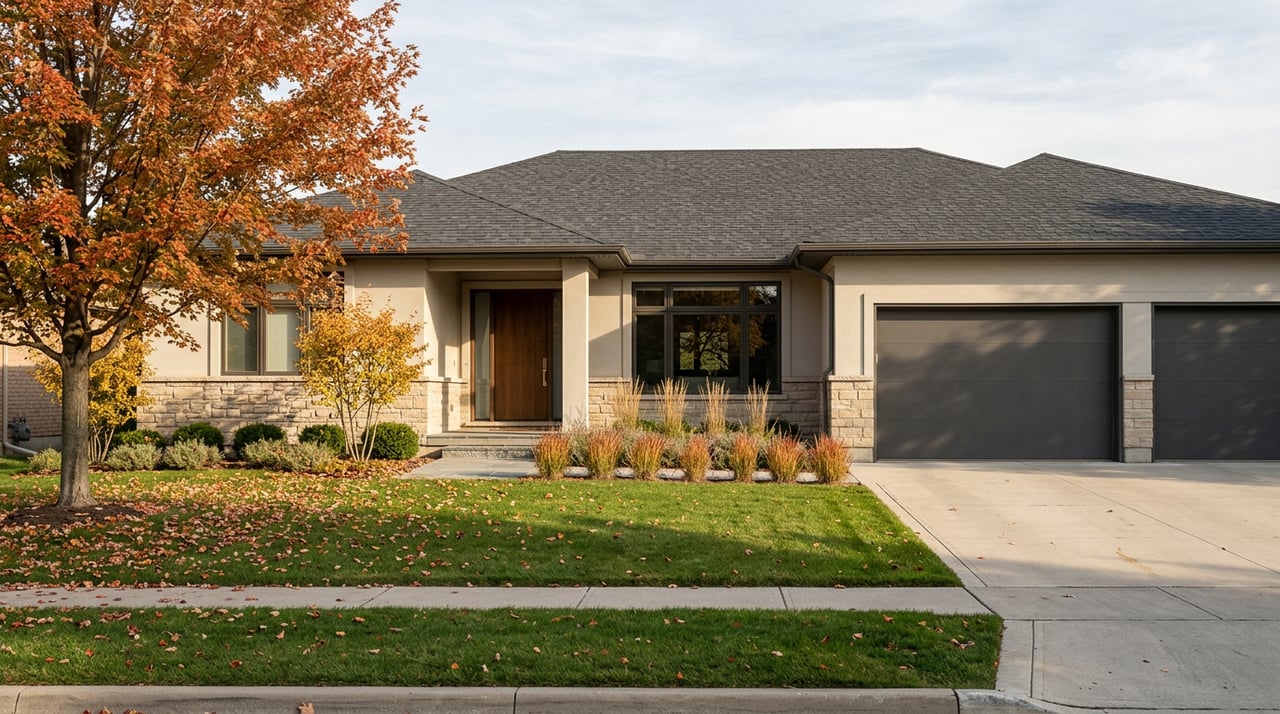
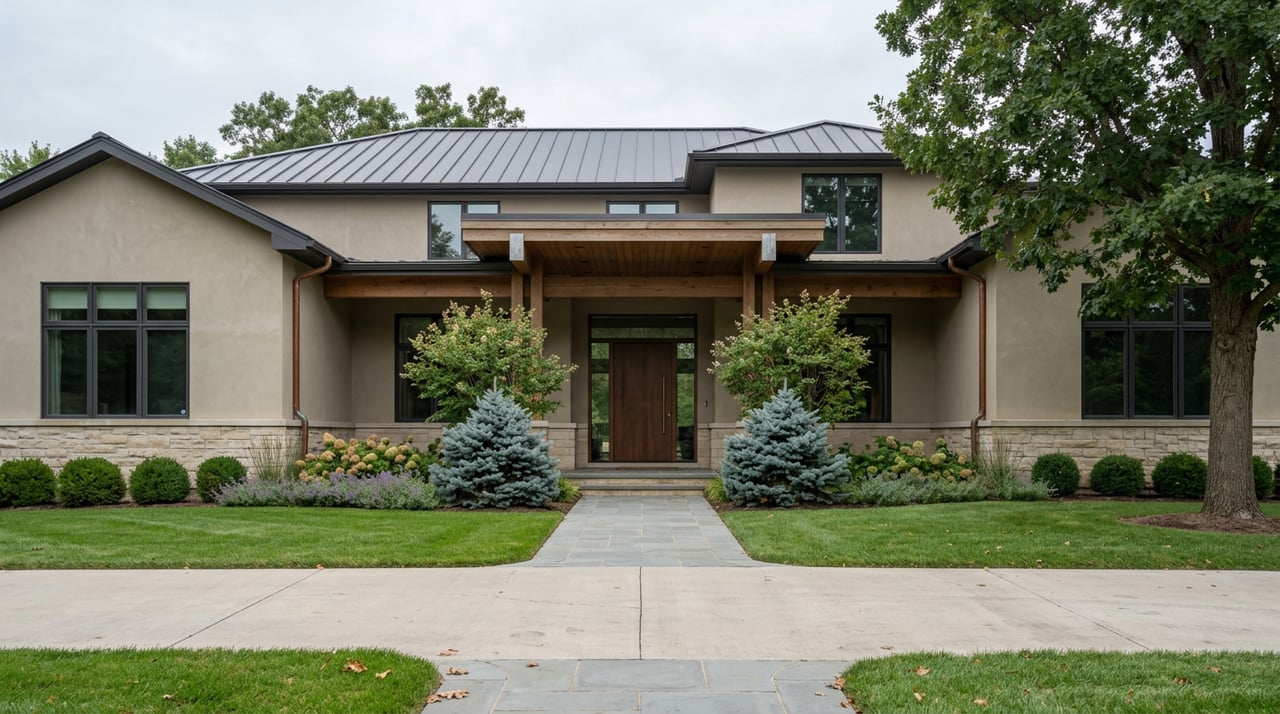
If you want newer construction, RidgeGate is the clearest place to begin. The city describes it as a 3,500-acre mixed-use district east of I-25 and south of Lincoln Avenue, with housing that ranges from urban apartments and row homes to eco-smart single-family homes.
RidgeGate is also the city’s largest growth area and includes a planned City Center, according to the city’s planning department. For many buyers relocating from out of state or from another part of Colorado, this area stands out because it combines newer homes, transit access, and proximity to major employers.
Compare Established Neighborhood Options
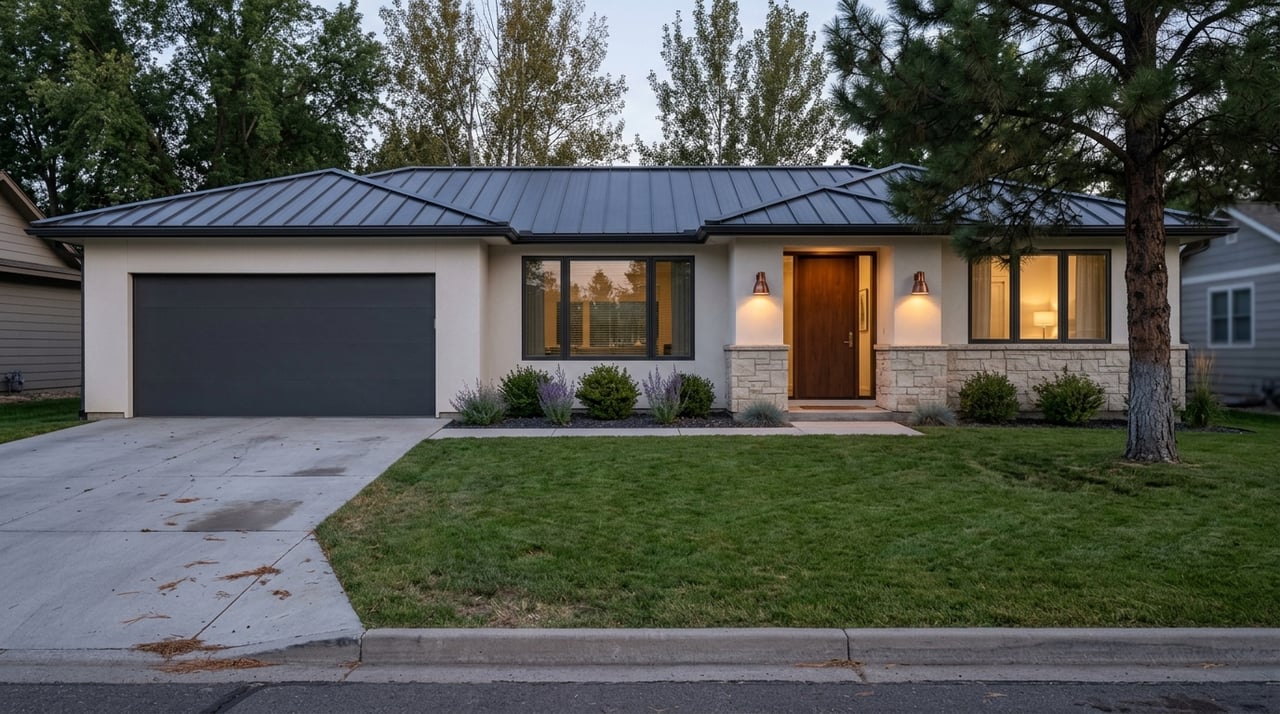
If you prefer a more established setting, Lone Tree has many named neighborhoods and planned-development districts that can help guide your search. The city’s zoning map identifies areas such as Heritage Hills, Carriage Club, Bluffmont Estates, Country Club Estates, Montecito, Prominence Point, Ridgeview, Terra Ridge, The Vista, Fairways, Lyric, Masters Park, and Taos.
These names are useful when you are comparing home age, HOA structure, and proximity to retail or transit. Even if two homes have a similar price point, the surrounding development pattern can shape your daily routine in very different ways.
Step 2: Verify the Development Context
Before you get too far into comparing listings, confirm what surrounds the property and how the area is planned to grow. In Lone Tree, that step is especially important because planned development plays a major role in how different districts function.
The city’s planning page and zoning map can help you verify whether a home is in a long-established neighborhood, a mixed-use district, or a growth area tied to future development. That context can affect traffic patterns, nearby amenities, and the feel of the area over time.
For example, RidgeGate is planned for 30,000 residents and 50,000 jobs at buildout, and it is already home to nearly 5,000 residents. If you are buying there, it helps to understand both what exists today and what is planned next.
Step 3: Map Out Your Commute
Relocation decisions often hinge on commute time, not just home features. Lone Tree has a strong transportation network, but access varies by neighborhood, so it is worth testing your likely routes before you make an offer.
The city highlights five light rail stations, major highway access, and regional transit connections. The E Line reaches Union Station, and the R Line connects to Aurora and the A Line for Denver International Airport.
Know Which Stations Have Parking
If you plan to park and ride, station details matter. The city notes that County Line, Lincoln, and RidgeGate Parkway stations have parking, while Sky Ridge and Lone Tree City Center do not.
That can make a big difference if rail access is part of your weekly routine. A home that looks close to transit on a map may not function the same way in real life if you need station parking each morning.
Look at Last-Mile Options
Some areas also benefit from local mobility services that can reduce the need to drive for every trip. The city’s free Link On Demand service provides app-based rides within Lone Tree and nearby Meridian, with expansion into Highlands Ranch.
On the west side, RTD’s Lone Tree FlexRide serves the area west of County Line and Lincoln stations. If you work remotely part of the week or want to manage with fewer car trips, these options are worth factoring into your home search.
Test Traffic Before You Commit
Because Lone Tree’s daytime population is much larger than its resident base, weekday and weekend traffic can feel different depending on where you are headed. It is smart to test your commute during actual work hours and also visit retail-heavy areas on weekends.
This is especially helpful near major employment and shopping zones, where convenience on paper can look different once you experience traffic flow firsthand.
Step 4: Match Home Search to Daily Priorities
Once you know your commute preferences, match them with the kind of home and lifestyle you want. This step helps you avoid choosing a home that looks great online but does not support your routine.
Prioritize Major Employers Nearby
For some buyers, being near work is the top priority. In RidgeGate West, the city notes that HCA HealthONE Sky Ridge, Charles Schwab, and Kiewit are major employers, along with retail and residential areas.
If someone in your household works nearby, homes in or near RidgeGate may offer a shorter and simpler commute. That can be a major quality-of-life advantage over time.
Weigh Amenities You Will Actually Use
Lone Tree offers a strong amenity base for a city of its size. The city highlights parks and trails such as Prairie Sky Park, Sweetwater Park, Willow Creek Trail, and the East/West Regional Trail, along with recreation and arts options.
The Lone Tree Recreation Center is a 55,000-square-foot facility with aquatics, court sports, fitness, and dance amenities. The city-owned arts center includes a 500-seat main stage, a 200-seat event hall, and a 350-seat outdoor terrace theater.
Everyday convenience also matters. Park Meadows lists 185 stores and restaurants, and the city identifies nearby health care options including HCA HealthONE Sky Ridge, Kaiser Permanente, and UCHealth Lone Tree Medical Center on the same site. The Douglas County Libraries Lone Tree branch is another practical amenity that many new residents appreciate for work, meetings, and community programs.
Step 5: Confirm School Assignment by Address
If school assignment is part of your planning, verify it early. Lone Tree is served by Douglas County School District, and the city notes that the district uses an address-based locator.
The key point is that school assignments are tied to address and can change with growth and enrollment balancing. That means school verification should be part of your pre-offer checklist, not something to confirm after you are under contract.
Step 6: Coordinate Timing With Your Current Home
A relocation move usually involves more than just buying the next property. You may also be ending a lease, selling a home in another market, or trying to line up temporary housing if timelines do not match perfectly.
A strong plan is to work backward from your ideal move-in date and line up key milestones early. That includes home search timing, travel for tours, contract dates, closing windows, and the date you need to be out of your current home.
In Lone Tree, this planning step is even more useful because neighborhood and transit differences can narrow your options quickly. The more clearly you define your target area and move window, the easier it becomes to make fast, informed decisions when the right property appears.
Step 7: Prepare for Move-In Logistics
Once you are under contract, focus on the practical details that make the first week in your new home easier. Lone Tree offers a few local logistics perks that are helpful to know ahead of time.
For single-family homes, the city provides free trash and recycling service, and most new residents do not need to activate service manually because it starts when they move in. The city notes that Lyric has separate start-service instructions, so that is worth double-checking if you are moving there.
This is also the time to confirm your preferred commute route, identify the nearest transit station if relevant, and make a short list of everyday stops like grocery, fitness, health care, and library access. Those small details can make your transition feel much smoother.
A Simple Lone Tree Relocation Checklist
If you want a clear planning flow, use this sequence:
- Choose your target neighborhood type, such as newer RidgeGate housing or a more established area.
- Review the zoning and planning context for any home you are considering.
- Compare commute options, including light rail, parking, shuttle service, and highway access.
- Verify school assignment by address if needed.
- Align your purchase timeline with your current lease or home sale.
- Confirm local move-in services and first-week logistics.
This kind of step-by-step approach works especially well in Lone Tree because the city’s neighborhoods, transit access, and development patterns can vary a lot from one area to the next.
Relocating is a big move, but it does not have to feel overwhelming when you have local guidance and a clear plan. If you are thinking about a move to Lone Tree and want help narrowing neighborhoods, timing your purchase, or comparing homes based on commute and lifestyle fit, connect with Lara Johnson-Lara Property Group.
FAQs
What is the best area in Lone Tree for newer construction?
- RidgeGate is often the first area to explore for newer construction because it includes newer apartments, row homes, and single-family homes within a large planned mixed-use district.
Which Lone Tree light rail stations have parking?
- According to the city, County Line, Lincoln, and RidgeGate Parkway stations have parking, while Sky Ridge and Lone Tree City Center do not.
How do you verify school assignment for a Lone Tree home?
- Lone Tree is served by Douglas County School District, and school assignment should be confirmed by address using the district locator referenced on the city’s schools page.
What local services should you set up first after moving to Lone Tree?
- For many single-family homes, trash and recycling service starts automatically through the city, but you should still confirm move-in details and check for exceptions such as Lyric.
How should you plan a Lone Tree purchase if you are selling or ending a lease elsewhere?
- Start with your target move-in date, then work backward to align touring, contract timing, closing, and your current housing deadline so the transition is as smooth as possible.