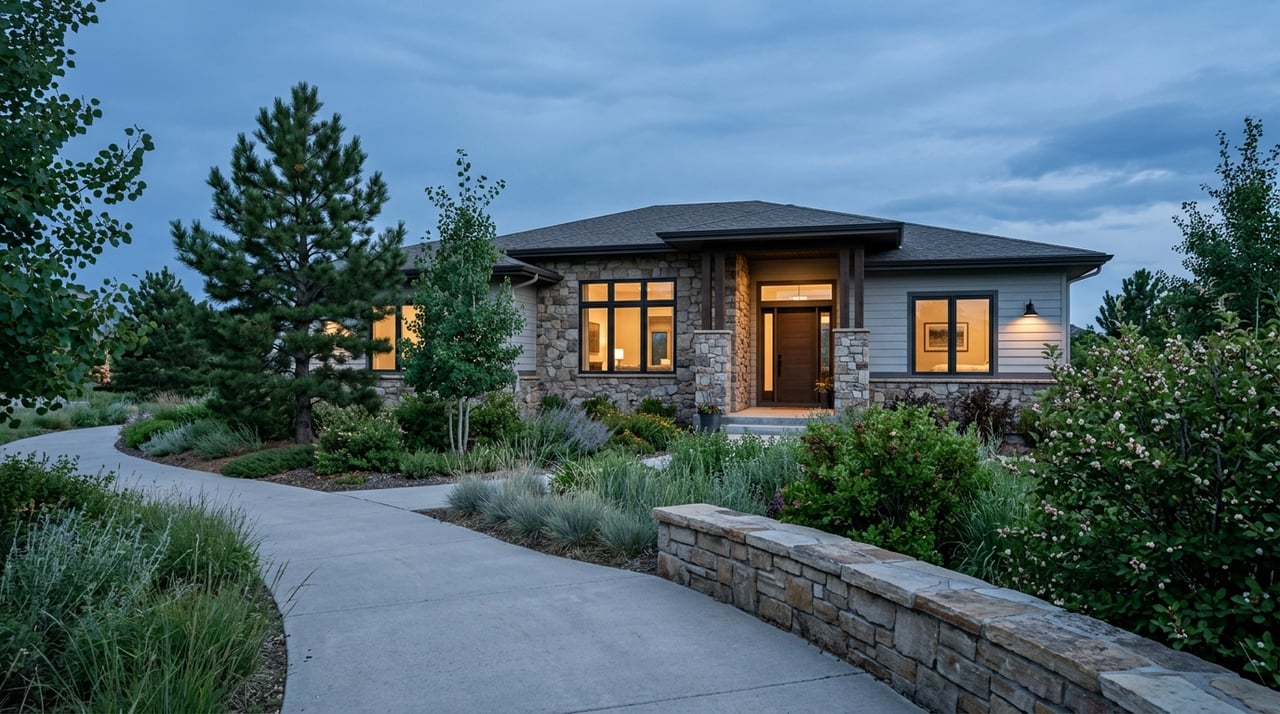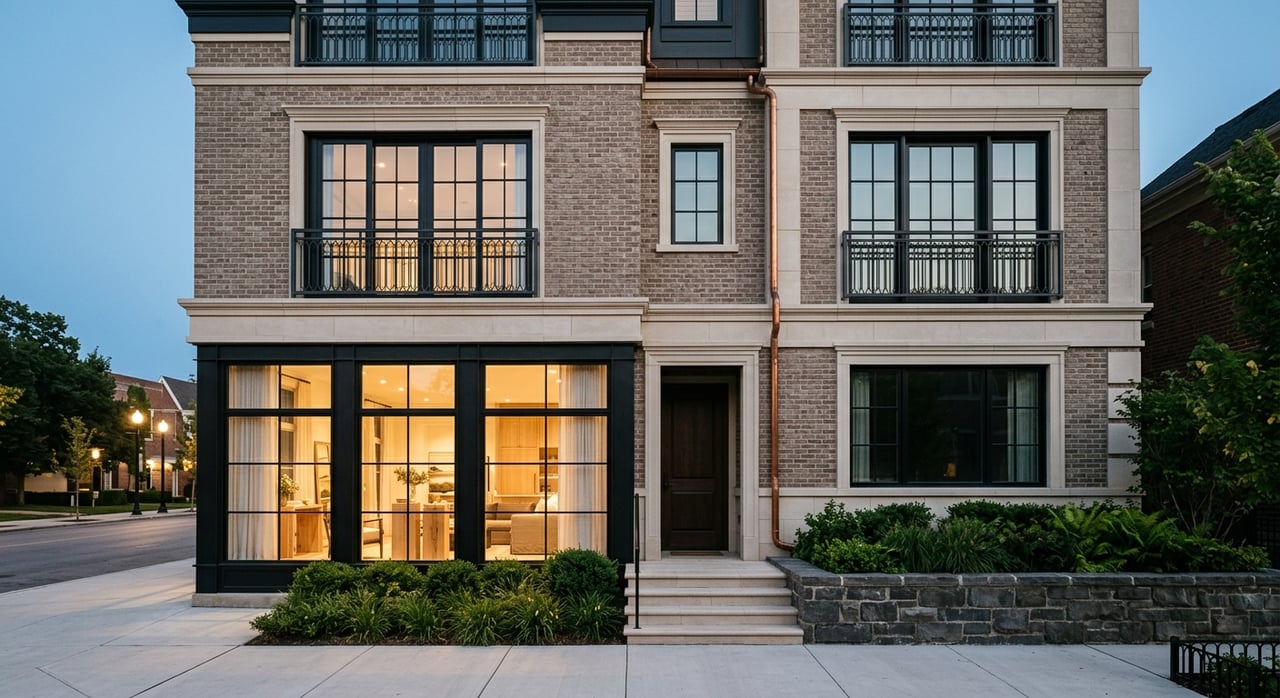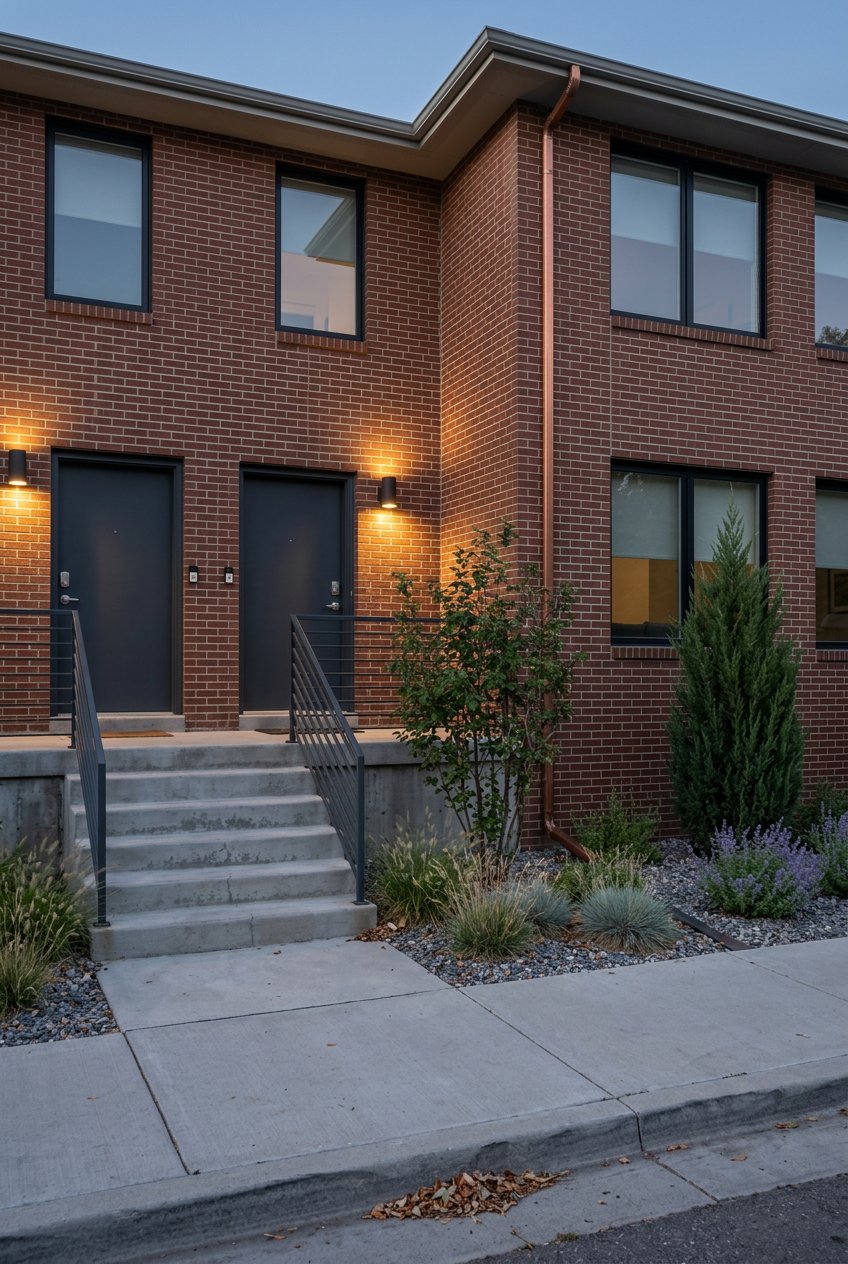
Should you buy a detached home or a small duplex, triplex, or fourplex in Denver right now? With prices still elevated, rents mixed by property type, and new rules to follow, the answer depends on your goals and your numbers. You want steady income, manageable oversight, and room for long‑term growth without surprises. In this guide, you will learn how single family rentals and small multifamily perform in Denver, what financing and licensing mean for returns, and how to underwrite a deal with confidence. Let’s dive in.
Denver market snapshot
Denver’s for‑sale prices remain high. Data providers show a range: the city’s median sale price often sits in the low to mid $500,000s, while metro reports land higher. You can review recent city trends in Redfin’s Denver market overview, then confirm neighborhood‑level comps with local MLS sources like REcolorado and DMAR.
Rents softened in many apartment buildings through late 2025 as vacancy rose. Average asking rents across Denver are in the high $1,000s per month based on RentCafe’s metro snapshot. Single family rentals tracked by the local association show a higher median, around the low $2,700s in late 2025, which signals tighter demand for detached homes in some areas. You can review the rental section in DMAR’s Market Trends Report.
For financing assumptions, the 30‑year fixed rate hovered near 6.0% in early March 2026 according to Freddie Mac’s PMMS. Investor and non‑owner‑occupied loans usually price higher than primary‑residence loans, so build in a spread when you run scenarios.
Single family rentals: what to expect
Single family rentals attract longer tenancies on average and often see lower turnover cost per year. In the Denver suburbs, demand for yards, parking, and privacy supports pricing, which is reflected in the higher single family rental medians reported by DMAR. That stability can help smooth cash flow, even when apartment rents are under pressure.
Operationally, you manage each property as its own unit, with separate utilities, vendors, tax accounts, and possible HOA or metro district dues. That can feel simple at one or two homes, yet less efficient if you scale door count across several locations. If your property is within Denver city limits, factor in rental licensing and inspection costs as part of your return model. The city outlines requirements in its residential rental licensing program.
One upside unique to many single family lots is the potential for an accessory dwelling unit. Denver adopted citywide ADU access, which allows some SFR owners to add a secondary rental unit if the site and code permit it. Review current rules in the city’s ADU guidance.
Small multifamily: what to expect
A duplex, triplex, or fourplex gives you multiple rent streams on one parcel. That structure can lift your gross rent relative to price, and it consolidates big costs like the roof, insurance, and taxes. In practice, small multifamily often runs a lower operating expense percentage than the same number of scattered single family homes, especially when stabilized. Industry surveys place many stabilized multifamily properties near a 30 to 38 percent operating expense ratio, with a wider 30 to 50 percent band across asset types and ages. For context, see the discussion of expense ratios in this research summary.
Management can be more hands‑on at first. You will lease multiple units, handle more move‑ins and move‑outs, and coordinate common‑area maintenance. Third‑party management fees for SFR often run 8 to 12 percent of collected rent, while small multifamily may price between those levels or use per‑unit fees. Read more about typical fee structures in Avail’s management guide.
Because softening in recent apartment markets pushed vacancy higher in parts of the city, you should underwrite with a realistic vacancy reserve. Stress‑test to a higher number for small multifamily in softer submarkets and confirm with current comps before you buy.
Acquisition and financing basics
Plan for these cost and capital items on every deal:
- Purchase price based on active and sold neighborhood comps. Use local MLS sources like REcolorado’s Market Watch and DMAR reports for current benchmarks.
- Down payment and loan program. If you plan to live in one unit of a 2 to 4 unit property, recent lender rollouts allow as little as 5 percent down on conventional financing. FHA insures 1 to 4 unit owner‑occupied purchases at 3.5 percent down. Review the guideline update context in this summary of Fannie Mae’s policy.
- For non‑owner‑occupied purchases, expect higher down payments, higher rates, and more conservative underwriting. Shop conventional investment, DSCR, or local bank options.
- Closing costs typically run 2 to 5 percent of purchase price, plus prepaids and required reserves.
- Property taxes are driven by assessment and mill levies. The City and County of Denver explains how assessments feed tax bills in its Assessor FAQ. Effective rates in the metro commonly fall around 0.5 to 0.8 percent of market value, varying by county and levies.
- If your property is in Denver, include time and cost for the city’s rental licensing and inspections.
Also note Colorado’s evolving landlord‑tenant rules, including security deposit handling and notice procedures. You can review a recent bill that addressed tenant protections at the Colorado General Assembly site. Consult your attorney for legal guidance.
Where the numbers can work
Denver’s returns vary by submarket and property type. Here are illustrative examples that show how small changes in rent, price, or financing move the needle. Confirm the latest numbers with MLS comps and current rent surveys before you make an offer.
Example A: Highlands Ranch SFR (illustrative)
- Purchase price: $760,000 (median‑range example for a suburban single family home).
- Monthly rent (market estimate): $2,800. Annual gross rent: $33,600. DMAR’s rental section has recent SFR medians for context in its Market Trends Report.
- Operating expense assumption: 35 percent of gross. See expense‑ratio context in this research discussion.
- Net operating income: about $21,840. Implied cap rate: about 2.9 percent.
Takeaway: in higher‑price suburbs, single family yields can look thin unless you buy below market, increase rent with value improvements, or optimize financing. Remember to include HOA or metro district dues if applicable.
Example B: In‑city Denver duplex (illustrative)
- Purchase price: $600,000 (typical for many in‑city duplex opportunities, adjusted by neighborhood).
- Combined monthly rent: $3,200 total, or $1,600 per unit. Annual gross rent: $38,400.
- Operating expense assumption: 35 percent. Estimated operating expenses: $13,440.
- Net operating income: about $24,960. Implied cap rate: about 4.2 percent.
Takeaway: small multifamily often shows higher initial yield than a suburban SFR at a similar price point, since multiple rent streams lift gross income per parcel. Balance that with higher turnover and hands‑on management.
Premium markets like Cherry Creek
Cherry Creek is a high‑amenity, high‑income micro‑market within Denver where acquisition prices tend to run well above the city median. Redfin’s Cherry Creek neighborhood page illustrates price levels that can compress initial yields for both SFR and condo rentals unless rents sit at luxury levels. If you target premium areas, plan for lower going‑in cap rates and model appreciation, quality renovations, or short‑term value levers like ADUs where allowed.
Underwriting steps and assumptions
Use a simple, consistent framework. Run a base case and a stress case before you write an offer.
- Income
- Estimate market rent per unit from recent nearby leases. Cross‑check apartments with RentCafe’s city trends and compare single family medians in DMAR’s Market Trends Report.
- Vacancy reserve: 5 to 8 percent for SFRs in balanced areas. Stress to 8 to 12 percent for small multifamily in softer submarkets.
- Expenses
- Expense ratio: 30 to 40 percent of gross income for many stabilized properties. Adjust for age, utilities, and condition. See operating cost context in this research summary.
- Management fees: budget 8 to 10 percent for SFR and 4 to 6 percent for small multifamily, or use a per‑unit fee. See Avail’s fee guide for typical structures.
- Property taxes: calculate using county assessment rules. Denver explains the process in the Assessor FAQ.
- Debt
- Rate baseline: 30‑year fixed near 6.0 percent in early March 2026 per Freddie Mac. Add a spread for investor loans.
- Term and reserves: follow lender guidance and include required reserves and closing costs at 2 to 5 percent of price.
- Returns
- Compute cap rate: NOI divided by price.
- Compute cash‑on‑cash: annual pre‑tax cash flow divided by total cash invested.
- Sensitivity: test best, base, and stress scenarios for rent, vacancy, rate, and repairs.
Pre‑purchase checklist
- Price and rent comps. Pull recent solds from MLS sources like REcolorado Market Watch and confirm rent ranges with RentCafe and DMAR’s Market Trends.
- Taxes and dues. Estimate taxes using the city’s Assessor FAQ. Add HOA or metro district dues where applicable.
- Financing plan. If house‑hacking a 2 to 4 unit property, review the 5 percent down path and FHA’s 3.5 percent option in this policy overview. Get pre‑approved and verify investor pricing for non‑owner‑occupied loans.
- Management quotes. Request written proposals. Compare percent‑of‑rent vs per‑unit fees and lease‑up charges. See common ranges in Avail’s guide.
- Compliance. Budget time and cost for Denver’s rental licensing. Track state law updates like SB23‑184 that affect deposits and notices.
Partner with a local advisor
Choosing between a single family home and a small multifamily in Denver is about fit and math. If you want longer tenancies and simpler day‑to‑day oversight, a detached home can be a strong pick, especially if you can unlock an ADU or negotiate below market. If you want higher gross income per parcel and can manage multiple doors under one roof, a duplex to fourplex can deliver better initial yield with the right underwriting.
You do not have to model and source deals alone. You can leverage neighborhood‑level comps, rental benchmarking, and a plan for licensing and management that aligns with your goals. Connect with Lara Johnson‑Lara Property Group to review live opportunities, run side‑by‑side pro formas, and execute a purchase with concierge‑level support.
FAQs
What is stronger in Denver today: single family rentals or 2 to 4 units?
- The better choice depends on your target yield and effort. Small multifamily often shows higher cap rates from multiple rent streams, while SFRs may offer longer tenancies and steadier rent in some suburbs. Check recent rents in DMAR’s Market Trends Report and apartment averages in RentCafe’s snapshot, then underwrite both options.
How does Denver’s rental licensing affect returns on rentals inside the city?
- Licensing adds inspection, application, and compliance costs that reduce net income if not budgeted. Review the city’s rental licensing program and include those costs in your expense ratio and cash‑flow forecast.
Can I buy a Denver duplex with 5 percent down if I live in one unit?
- Many lenders now offer a 5 percent down path for owner‑occupied 2 to 4 unit purchases under conventional guidelines, and FHA allows 3.5 percent down for 1 to 4 unit owner‑occupied homes. See details in this policy overview and confirm program availability with your lender.
What management fees should I expect for SFR vs small multifamily?
- SFR management often runs 8 to 12 percent of collected rent. Small multifamily may price between SFR levels and institutional rates, sometimes with per‑unit fees plus leasing charges. See typical structures in Avail’s guide.
What mortgage rate should I use in my pro forma today?
- As a planning anchor, use the 30‑year fixed rate near 6.0 percent from early March 2026 per Freddie Mac, then add a spread for investor or non‑owner‑occupied loans. Always quote current lender terms before you offer.
Are ADUs allowed citywide in Denver, and can they help an SFR pencil?
- Yes. Denver adopted citywide ADU access, which can let you add a secondary rental unit to an SFR if your lot and code allow it. Read the city’s ADU guidance and include ADU costs and rent in your underwriting.